


History

The Depot, originally known as The Royal Ordnance Depot dates back to 1802, just prior to the Napoleonic Wars.
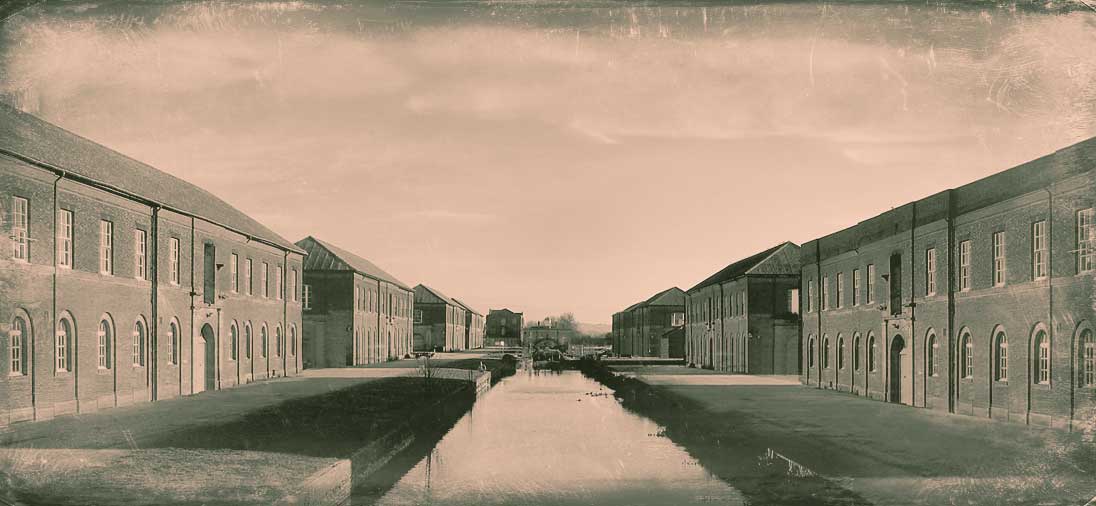
The Depot, originally known as The Royal Ordnance Depot, dates back to 1802, shortly before the Napoleonic Wars. Strategically positioned in the centre of England, as far as possible from the threat of coastal invasion, it was built for the service of His Majesty’s Ordnance and used for the storage, maintenance, and repair of small arms and artillery.
Over the centuries, The Depot has been served by a variety of transport networks, including horse-drawn transport, a branch of the Grand Union Canal, the railway, and, more recently, the modern road network. This connectivity helped establish the site as a vital military logistics hub and continues to benefit businesses based here today.
The canal still runs through the heart of the site, providing a unique waterside setting and a lasting reminder of The Depot’s historic role in Britain’s transport and distribution network.
Originally, the site included Royal Pavilions, barracks, stables, and equestrian facilities. For more than 150 years, it operated as an important – and often highly secretive – military storage and distribution centre, supporting the movement of arms and equipment throughout the country.
The Depot remained operational throughout both World Wars and continued to serve military purposes until the 1960s. Following its decommissioning in 1965, the historic buildings were preserved and remain Grade II listed, protecting their unique architectural and historical significance.
In 1902–03, additional buildings were constructed, including a large workshop and purpose-built Army clothing stores, further expanding the site’s operational capabilities.
Today, this remarkable former military depot is privately owned and has been carefully restored to provide workshops, offices, studios, and commercial spaces for a diverse range of businesses. While embracing modern business needs, The Depot continues to celebrate its rich heritage, offering a secure, characterful environment and a strong sense of community for those who choose to work here.
More than 220 years after its foundation, The Depot remains a unique place where history, heritage, and enterprise come together.
His Majesty’s Ordnance – Built for Security, Preserved for Today
Security has been at the heart of The Depot’s design since its construction in the early 1800s. Surrounded by a substantial perimeter wall and protected by corner bastions with lookout positions and elevated patrol walks, the site was purpose-built to safeguard valuable military stores.
One of these historic defensive structures, known today as Bastion 92, has been carefully restored and now forms part of the Visitor Centre tours, providing a fascinating insight into the site’s military past and original security features.
The original casemate buildings, constructed with exceptionally thick walls and designed for the secure storage of ammunition and small arms, remain a defining feature of The Depot. Located beneath Canal-Side Buildings 2, 4, 6 and 8, these robust underground chambers are a lasting reminder of the site’s strategic importance within His Majesty’s Ordnance network.
Today, the former casemates provide dry, spacious, and secure storage accommodation, combining practical modern use with the unique character and heritage of one of Northamptonshire’s most distinctive historic locations.
Explore 200 Years of Military Heritage
Much of The Depot remains remarkably unchanged from its original construction in the early 19th century, preserving the character and architectural heritage that make the site so distinctive today.
When first established, The Depot comprised eight substantial brick and stone-faced buildings arranged around the site. Four of these buildings were constructed above the original casemates, the ecure underground chambers designed for the storage of ammunition and military supplies. Together, these impressive two-storey structures accommodated a range of military functions, including a prison, hospital, and chapel, supporting the day-to-day operation of this important military facility.
Constructed at the same time was the magazine complex, now known as The Stores – a series of heavily built brick structures with exceptionally thick walls designed for the secure storage of gunpowder. Each building was capable of holding more than 1,000 tons, reflecting the strategic importance of The Depot within Britain’s military infrastructure.
During the South African War (1899-1902), increasing pressure on the Army Clothing Depot in Pimlico, London, led to the construction of a large three-storey brick clothing store at The Depot, now known as Building 17. This expansion enabled military uniforms and equipment to be stockpiled and distributed more efficiently.
The facility went on to play a significant role during the First World War, serving a vast area of England and the whole of Wales. Thousands of soldiers were supplied with clothing and equipment through operations based at The Depot. To support this growing demand, an additional large storage building was constructed and dedicated entirely to the storage and distribution of army boots.
Today, these historic buildings stand as a testament to more than two centuries of military, industrial, and local history, forming an integral part of the unique character of The Depot and providing a fascinating link to Britain’s military past.
1
first brick was laid in 1804
121
Military prison cells
153
The site is built on 153 acres
500
men housed in barracks
Small arms and Ammunition
HIS MAJESTY’S ORDNANCE
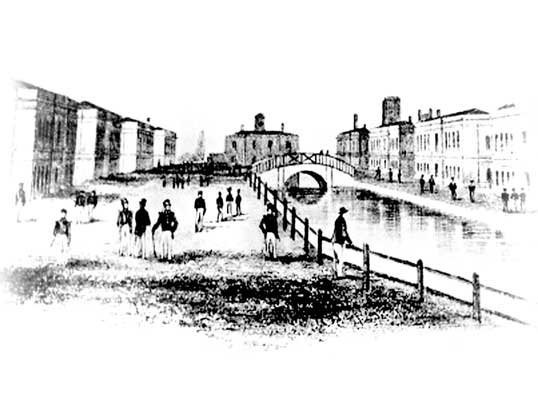
A VERY SECURE LOCATION
The Depot as originally built was surrounded by a high wall, at each corner of which are bastions, obviously built as ‘look out’ slits and patrol walks at the top.
The actual storage units have very thick walls and were formerly used for storing ammunition, and small arms, which were packed in cases hence the name casemates. Each unit now offers a dry spacious and safe place to store possessions in a location steeped in fascinating history.
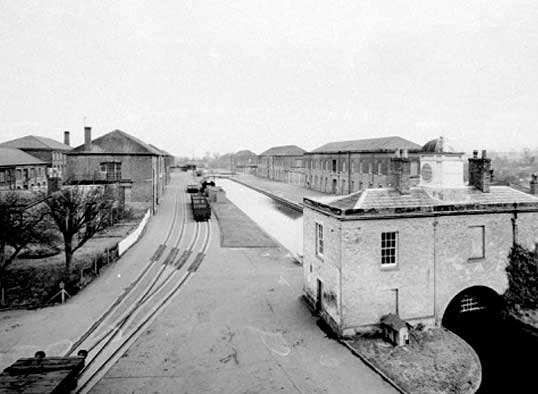
OVER 200 YEARS OF HISTORY
The Depot as it now stands is in the main the same as when it was first erected. There were originally eight large brick and stone-faced buildings of two storeys housing a military prison, a hospital and a chapel. The magazine built at the same time of The Depot consists of brick buildings with very thick walls and each building was used for storing over 1000 tons of Gunpowder.
During the South African War, 1899-1902 the strain on the Clothing Depot in Pimlico, London was very great and to alleviate this another large three storey brick building was erected at The Depot where army clothing was stock piled. This played a very important part in the War of 1914-18 when it served a large are in England and the whole of Wales and the army was clothed from here. An additional large shed was also erected and was devoted entirely to army boots.